
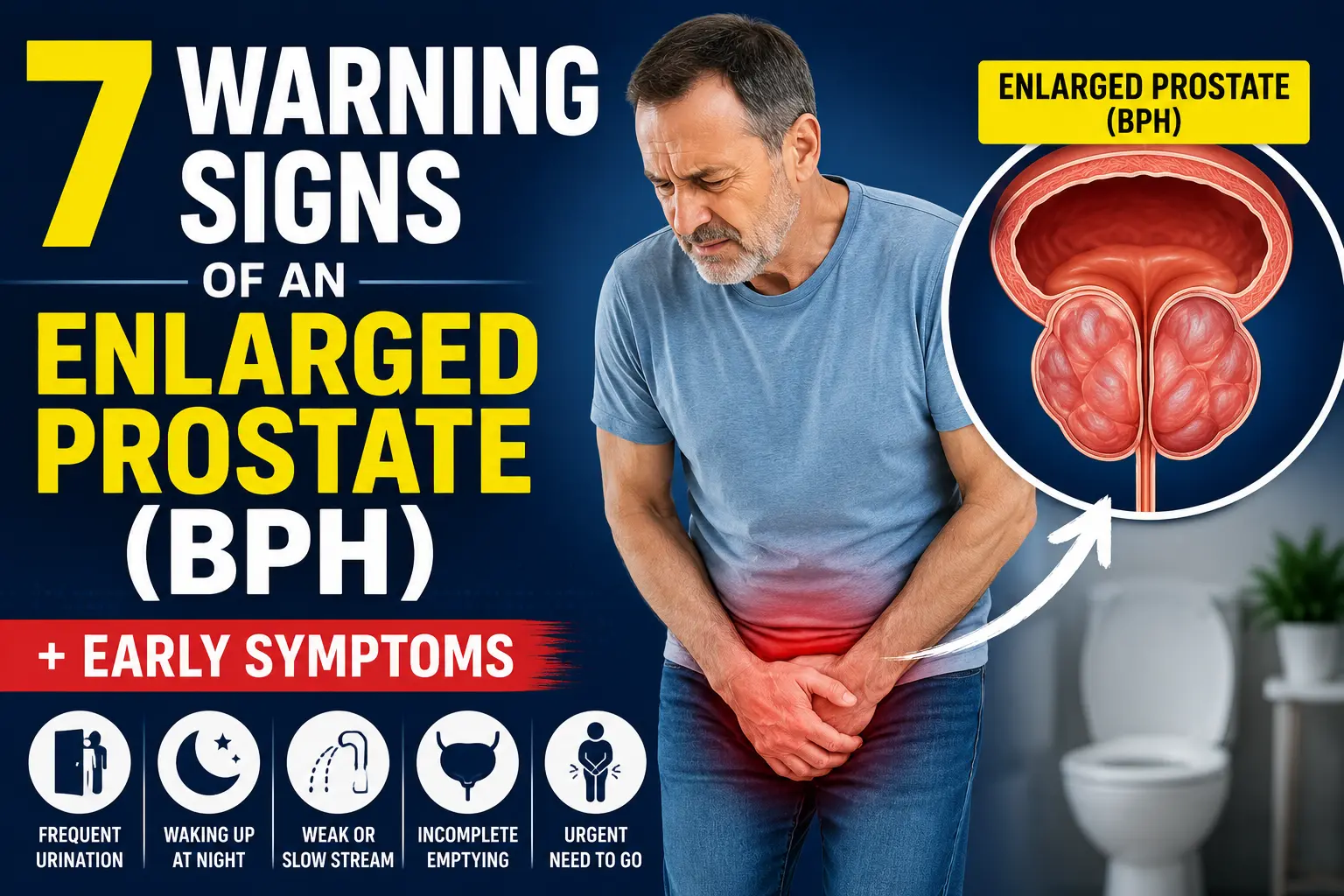
Many men begin noticing changes in their urinary habits as they get older. Frequent trips to the bathroom, a weak urine stream, or waking up several times during the night may seem like a normal part of aging. However, these symptoms can also be early signs of an enlarged prostate, a condition medically known as Benign Prostatic Hyperplasia (BPH).
BPH is one of the most common prostate conditions affecting men over 40. Although it is not cancer, it can significantly affect daily life, sleep quality, and overall well-being if left untreated.
The good news is that recognizing the 7 warning signs of an enlarged prostate (BPH) early allows you to seek medical advice before symptoms become severe. In many cases, lifestyle changes and appropriate treatment can successfully manage the condition.
Quick Facts About Enlarged Prostate (BPH)
| Fact | Details |
|---|---|
| Medical Name | Benign Prostatic Hyperplasia (BPH) |
| Cancerous? | No |
| Common Age | Over 40 years |
| Risk Increases | After age 50 |
| Main Symptoms | Urinary problems |
| Treatable | Yes |
What Is an Enlarged Prostate (BPH)?
An enlarged prostate, also called Benign Prostatic Hyperplasia (BPH), is a non-cancerous increase in the size of the prostate gland.
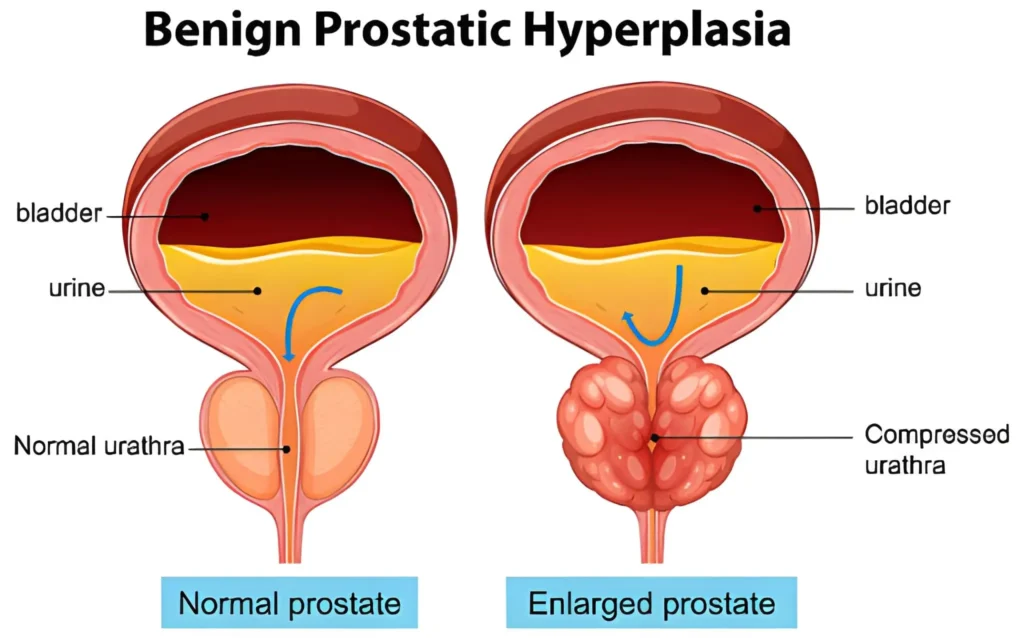
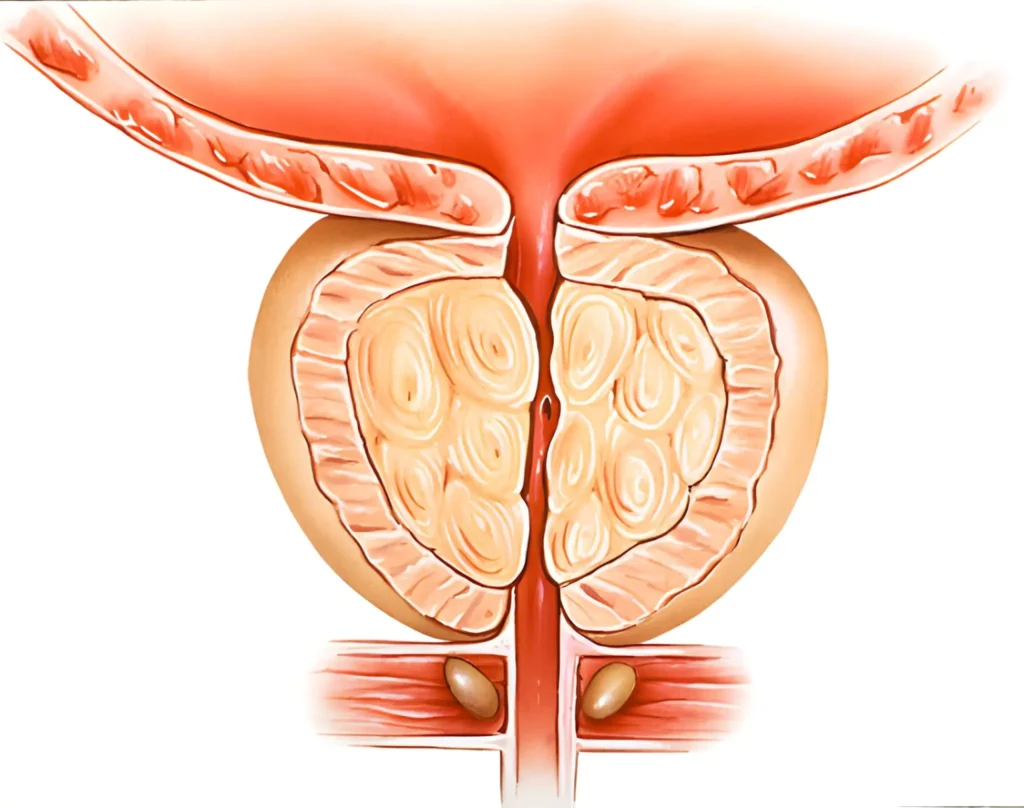
The prostate is a small gland located below the bladder and surrounds the urethra—the tube that carries urine out of the body. As the prostate grows larger, it can squeeze the urethra, making it more difficult for urine to pass normally.
Unlike prostate cancer, BPH does not spread to other parts of the body. However, it can cause bothersome urinary symptoms that may worsen over time if not managed.
What Does BPH Mean?
The term Benign Prostatic Hyperplasia breaks down into three parts:
- Benign: Not cancerous
- Prostatic: Related to the prostate gland
- Hyperplasia: An increase in the number of cells, causing enlargement
Although BPH is not life-threatening, it can interfere with everyday activities and reduce quality of life.
Why Does BPH Become Common After Age 40?
As men age, hormone levels naturally change. These hormonal changes, especially involving testosterone and dihydrotestosterone (DHT), can contribute to gradual prostate growth.
Statistics show that the likelihood of developing BPH increases significantly with age.
| Age Group | Estimated Prevalence |
|---|---|
| 40–49 | Symptoms begin in some men |
| 50–59 | Common |
| 60–69 | Very common |
| 70+ | Majority of men experience some prostate enlargement |
This is why enlarged prostate in men over 40 is frequently discussed by healthcare professionals.
Support Your Prostate Health: For daily prostate wellness, consider Prostavive—a natural supplement formulated to help support a healthy prostate, improve urinary comfort, and promote overall men’s health.*
*Always use supplements as directed and consult a healthcare professional if you have persistent urinary symptoms or other health concerns.
Enlarged Prostate vs. Prostate Cancer
Many men worry that urinary symptoms automatically mean prostate cancer. Fortunately, that is usually not the case.
| Enlarged Prostate (BPH) | Prostate Cancer |
|---|---|
| Non-cancerous | Cancerous |
| Very common | Less common |
| Usually causes urinary symptoms | May not cause symptoms early |
| Does not spread | Can spread if untreated |
| Treatable | Treatment depends on stage |
Even though they are different conditions, only a healthcare professional can determine the exact cause of your symptoms.
Also Read It :
This is our more articles










What Causes an Enlarged Prostate?
Doctors do not believe there is one single cause of BPH. Instead, several factors increase the likelihood of developing prostate enlargement.
Aging
Age is the biggest risk factor.
As men get older, the prostate naturally continues growing. This gradual enlargement explains why BPH becomes increasingly common after age 50.
Hormonal Changes
Hormonal shifts involving testosterone, estrogen, and DHT are believed to play an important role in prostate growth.
These natural hormonal changes occur throughout the aging process.
Family History
If your father or brother has experienced BPH, your own risk may be higher.
Genetics appear to influence prostate growth in many men.
Obesity
Being overweight is associated with increased inflammation and hormonal changes that may contribute to prostate enlargement.
Maintaining a healthy body weight may help reduce the risk of worsening symptoms.
Diabetes
Research suggests that diabetes and insulin resistance may increase the likelihood of developing BPH.
Keeping blood sugar under control benefits overall health, including urinary health.
Lack of Physical Activity
A sedentary lifestyle may contribute to obesity, poor circulation, and metabolic problems that increase BPH risk.
Regular exercise supports both prostate and cardiovascular health.
7 Warning Signs of an Enlarged Prostate (BPH)
Recognizing these BPH warning signs early can help you receive appropriate evaluation before complications develop.
1. Frequent Urination
One of the earliest enlarged prostate symptoms is needing to urinate more often than usual.
As the enlarged prostate presses against the urethra, the bladder may become more sensitive and feel full even when only a small amount of urine is present.
You may notice:
- Going to the bathroom every hour
- Frequent daytime urination
- Difficulty sitting through meetings or long trips
- Increased bathroom visits after drinking fluids
Although frequent urination can have many causes, persistent symptoms deserve medical evaluation.
2. Waking Up Several Times at Night (Nocturia)
Another common symptom is waking repeatedly during the night to urinate.
This condition, known as nocturia, is among the most frustrating urinary symptoms of BPH because it interrupts healthy sleep.
Many men begin waking:
- Two times
- Three times
- Four or more times every night
Poor sleep may lead to:
- Daytime fatigue
- Reduced concentration
- Lower productivity
- Mood changes
If nighttime urination becomes a regular occurrence, it may indicate an enlarged prostate rather than simply drinking too much water before bed.
3. Weak or Slow Urine Stream
A healthy urine stream is usually strong and continuous.
When the prostate enlarges, it narrows the urethra, reducing urine flow.
You may notice:
- Slow urine flow
- Reduced pressure
- Longer time to empty the bladder
- Interrupted stream
Many men ignore this gradual change because it develops slowly over several years.
However, a consistently weak urine stream is one of the classic benign prostatic hyperplasia symptoms and should not be overlooked.
4. Difficulty Starting Urination
Some men experience urinary hesitancy, meaning there is a noticeable delay before urine begins to flow.
Even when your bladder feels full, you may need to wait several seconds—or longer—before urination starts.
This happens because the enlarged prostate partially blocks the urethra, making it harder for urine to pass.
Signs include:
- Standing at the toilet waiting for urine to start
- Needing to strain gently
- Interrupted flow after starting
- Feeling frustrated during urination
Persistent difficulty starting urination is another important early sign of BPH and should be discussed with your healthcare provider.
5. Feeling That the Bladder Never Fully Empties
One of the most frustrating prostate enlargement symptoms is the constant feeling that your bladder is still full—even after you’ve just finished urinating.
Normally, the bladder empties almost completely during urination. However, when the prostate enlarges, it can partially block the urethra, preventing all the urine from leaving the bladder. This leftover urine is known as post-void residual urine.
Over time, retained urine can increase the risk of urinary tract infections (UTIs), bladder stones, and, in severe cases, bladder damage.
Common signs include:
- Feeling the need to urinate again just minutes later
- A sensation of pressure in the lower abdomen
- Frequent trips to the bathroom with only a small amount of urine passed
- Feeling unsatisfied after urinating
If you constantly feel that your bladder never fully empties, it’s important to schedule a medical evaluation.
6. Sudden, Strong Urge to Urinate
Another common BPH warning sign is urinary urgency—a sudden and overwhelming need to urinate that can be difficult to control.
This occurs because the bladder becomes more sensitive as it works harder to push urine past the enlarged prostate.
Some men may even experience urge incontinence, where a small amount of urine leaks before reaching the bathroom.
Symptoms of urinary urgency include:
- Sudden, intense need to urinate
- Difficulty delaying urination
- Anxiety about finding a restroom
- Occasional urine leakage
While urgency can also result from bladder infections or overactive bladder, it is a frequent symptom of benign prostatic hyperplasia (BPH).
7. Dribbling After Urination
Post-urination dribbling is often one of the last symptoms men notice, but it can still be an early indicator of prostate enlargement.
Instead of stopping immediately after urination, small drops of urine continue leaking into your underwear.
Although this symptom may seem minor, it can become bothersome and affect confidence in social or professional settings.
You may notice:
- Urine leaking after leaving the bathroom
- Wet spots on underwear
- Needing to shake or wait longer before finishing
- Feeling that urination never completely ends
Combined with other urinary symptoms, post-void dribbling strongly suggests that the prostate should be evaluated.
Summary Table: The 7 Warning Signs of an Enlarged Prostate (BPH)
| Warning Sign | What It Means |
|---|---|
| Frequent urination | Bladder becomes more sensitive and fills quickly |
| Waking up at night to urinate (Nocturia) | Common nighttime symptom of BPH |
| Weak urine stream | Enlarged prostate restricts urine flow |
| Difficulty starting urination | Urine flow begins slowly due to urethral compression |
| Feeling the bladder isn’t empty | Residual urine remains after urination |
| Sudden urge to urinate | Bladder becomes overactive due to obstruction |
| Dribbling after urination | Urine continues leaking after finishing |
Enlarged Prostate vs. Prostate Cancer
Many men assume urinary symptoms automatically mean prostate cancer, but that’s not usually the case.
Although BPH and prostate cancer can share similar symptoms, they are different conditions that require different approaches.
Similar Symptoms
Both conditions may cause:
- Frequent urination
- Weak urine stream
- Difficulty starting urination
- Waking up at night to urinate
- Feeling that the bladder doesn’t empty completely
Because of these similarities, medical evaluation is essential.
Key Differences
| Enlarged Prostate (BPH) | Prostate Cancer |
|---|---|
| Non-cancerous growth | Cancerous tumor |
| Very common after age 50 | Risk increases with age |
| Usually affects urination first | Often has no symptoms early |
| Doesn’t spread | Can spread if untreated |
| Managed with medication or procedures | Treatment depends on cancer stage |
Why Medical Evaluation Matters
It’s impossible to determine the exact cause of urinary symptoms based on symptoms alone.
If you experience persistent urinary changes, blood in the urine, severe pain, or sudden inability to urinate, seek medical attention promptly.
How Is BPH Diagnosed?
Diagnosing benign prostatic hyperplasia involves reviewing your symptoms, medical history, and performing several tests if necessary.
Medical History
Your healthcare provider will ask questions about:
- How often you urinate
- Nighttime bathroom visits
- Urinary urgency
- Difficulty emptying your bladder
- Current medications
- Overall health conditions
Digital Rectal Exam (DRE)
During a Digital Rectal Exam, the doctor gently inserts a gloved finger into the rectum to feel the size, shape, and texture of the prostate.
Although the exam is brief, it provides valuable information.
PSA Blood Test
A Prostate-Specific Antigen (PSA) blood test measures a protein produced by the prostate.
Higher PSA levels do not always mean cancer. BPH, inflammation, or infection can also increase PSA levels.
Urine Test
A urine test helps rule out:
- Urinary tract infections
- Blood in the urine
- Kidney problems
- Diabetes-related urinary issues
Ultrasound
An ultrasound may be used to estimate prostate size and check whether the bladder is emptying properly.
Uroflowmetry
This painless test measures:
- Urine flow speed
- Urine volume
- Flow pattern
It helps determine how much the enlarged prostate is affecting urination.
Treatment Options for Enlarged Prostate
The best BPH treatment options depend on symptom severity, prostate size, overall health, and personal preferences.
Lifestyle Changes
Men with mild symptoms often improve by making healthy lifestyle adjustments.
These include:
- Limiting fluids before bedtime
- Reducing caffeine and alcohol
- Avoiding delaying urination
- Maintaining a healthy weight
- Exercising regularly
Medications
Doctors may prescribe medications that:
- Relax the muscles around the prostate and bladder
- Shrink the prostate over time
- Improve urine flow
- Reduce urinary frequency
Always take prescription medications exactly as directed by your healthcare provider.
Minimally Invasive Procedures
If medications don’t provide enough relief, minimally invasive treatments may be recommended.
These procedures are designed to improve urine flow while reducing recovery time compared with traditional surgery.
Surgery
For severe symptoms or complications such as urinary retention, surgery may be the most effective treatment.
Several surgical techniques are available, and your urologist will recommend the option best suited to your condition.
Natural Ways to Support Prostate Health
While medical treatment is often necessary for moderate to severe benign prostatic hyperplasia (BPH), healthy lifestyle habits can play an important role in supporting prostate health and reducing mild urinary symptoms. These strategies should complement—not replace—the advice of your healthcare provider.
1. Eat a Prostate-Friendly Diet
What you eat can influence your overall health, including the health of your prostate. A balanced diet rich in whole foods may help reduce inflammation and support normal urinary function.
Foods that support prostate health include:
- Tomatoes (rich in lycopene)
- Fatty fish like salmon and sardines (high in omega-3 fatty acids)
- Pumpkin seeds
- Walnuts and almonds
- Broccoli, cauliflower, and cabbage
- Leafy green vegetables
- Berries rich in antioxidants
- Beans and lentils
- Whole grains
- Olive oil
Try to limit highly processed foods, sugary drinks, and excessive red or processed meats, as these may contribute to inflammation and poor overall health.
Best Foods for Prostate Health
| Food | Potential Benefit |
|---|---|
| Tomatoes | Rich in lycopene, an antioxidant linked to prostate health |
| Salmon | Provides heart-healthy omega-3 fats |
| Pumpkin Seeds | Naturally contain zinc and healthy fats |
| Broccoli | Rich in vitamins and plant compounds |
| Green Tea | Contains antioxidant polyphenols |
| Berries | High in vitamin C and antioxidants |
| Nuts | Healthy fats that support overall wellness |
2. Stay Physically Active
Regular exercise benefits nearly every part of the body, including the urinary system.
Physical activity can help:
- Maintain a healthy weight
- Improve blood circulation
- Support hormone balance
- Reduce inflammation
- Improve bladder function
- Boost overall energy
Aim for at least 150 minutes of moderate exercise each week, such as brisk walking, cycling, swimming, or light strength training.
3. Maintain a Healthy Weight
Being overweight or obese is associated with a higher risk of worsening enlarged prostate symptoms.
Losing even a modest amount of weight may improve urinary function and reduce pressure on the bladder.
Healthy weight management includes:
- Balanced nutrition
- Portion control
- Regular exercise
- Adequate sleep
4. Limit Caffeine and Alcohol
Both caffeine and alcohol can irritate the bladder and increase urine production.
If you’re experiencing urinary symptoms of BPH, consider reducing:
- Coffee
- Energy drinks
- Cola beverages
- Alcoholic drinks
Many men notice fewer nighttime bathroom trips after limiting these beverages, especially in the evening.
5. Stay Hydrated—But Drink Smart
Hydration is essential for overall health, but timing matters.
Instead of drinking large amounts of water late in the evening:
- Drink fluids consistently throughout the day.
- Reduce fluid intake 2–3 hours before bedtime if nocturia is a problem.
- Avoid becoming dehydrated, as concentrated urine can irritate the bladder.
6. Practice Pelvic Floor Exercises
Pelvic floor (Kegel) exercises strengthen the muscles that support the bladder and urinary tract.
Benefits may include:
- Better bladder control
- Reduced urine leakage
- Improved urinary function
- Greater confidence during daily activities
A healthcare provider or pelvic floor therapist can teach the correct technique.
Natural Support Tip
Some men also explore prostate support supplements alongside healthy lifestyle habits. Ingredients commonly found in these supplements include:
- Saw Palmetto
- Beta-Sitosterol
- Pumpkin Seed Extract
- Zinc
- Lycopene
While some studies suggest these ingredients may help support urinary health in certain men, results are mixed. Supplements should never replace professional medical evaluation or prescribed treatment, and it’s important to speak with your healthcare provider before starting any supplement.
Frequently Asked Questions (FAQs)
What are the first signs of an enlarged prostate?
How do I know if I have an enlarged prostate?
Can BPH become prostate cancer?
However, it is possible for a man to have both BPH and prostate cancer at the same time. That’s why persistent urinary symptoms should always be evaluated by a healthcare provider.
Is an enlarged prostate common after age 50?
Many men over 50 experience some degree of prostate enlargement, and the likelihood continues to increase into their 60s and 70s.
Can lifestyle changes improve BPH symptoms?
Lifestyle strategies include:
- Eating a balanced diet
- Maintaining a healthy weight
- Exercising regularly
- Limiting caffeine and alcohol
- Staying hydrated
- Managing diabetes and blood pressure
These changes work best when combined with medical advice.
When should I worry about enlarged prostate symptoms?
- Blood in your urine
- Severe pain while urinating
- Fever with urinary symptoms
- Complete inability to urinate
- Frequent urinary tract infections
- Symptoms that continue to worsen despite lifestyle changes
Prompt evaluation can help prevent complications and rule out other conditions.
What foods are good for prostate health?
- Tomatoes
- Pumpkin seeds
- Salmon
- Leafy green vegetables
- Broccoli
- Nuts
- Berries
- Whole grains
- Olive oil
- Green tea
These foods provide vitamins, minerals, antioxidants, and healthy fats that support overall wellness.
Can an enlarged prostate be cured without surgery?
Surgery is generally considered when symptoms become severe, complications develop, or other treatments are not effective.
Key Takeaways
| Warning Sign | Don’t Ignore If… |
|---|---|
| Frequent urination | It disrupts your daily routine |
| Nighttime urination | You wake multiple times every night |
| Weak urine stream | It continues for weeks or months |
| Difficulty starting urination | You regularly strain to urinate |
| Incomplete bladder emptying | You feel the urge again soon after urinating |
| Sudden urgency | You struggle to reach the bathroom in time |
| Post-urination dribbling | Leakage becomes frequent |
Conclusion
Recognizing the 7 warning signs of an enlarged prostate (BPH) can help you take action before symptoms begin affecting your quality of life. Frequent urination, nighttime bathroom trips, a weak urine stream, difficulty starting urination, the feeling of incomplete bladder emptying, sudden urgency, and post-urination dribbling are all common signs that shouldn’t be ignored.
Although Benign Prostatic Hyperplasia (BPH) is not cancer, it can significantly impact your comfort, sleep, and daily routine if left untreated. Fortunately, many men find relief through lifestyle changes, medications, minimally invasive procedures, or surgery when needed.
If you’ve been experiencing persistent urinary symptoms, don’t assume they’re simply a normal part of aging. Scheduling an appointment with a healthcare professional is the best way to receive an accurate diagnosis and personalized treatment plan.
Want to learn more about protecting your prostate as you age? Explore our other prostate health guides for expert-backed tips on nutrition, healthy habits, early symptom awareness, and natural ways to support long-term prostate wellness.