
Most men don’t spend much time thinking about their prostate until something starts to feel wrong.
Maybe you’re waking up two or three times every night to use the bathroom. Perhaps your urine stream isn’t as strong as it used to be. Or maybe you’ve noticed a sudden urge to urinate that seems impossible to ignore.
The problem is that many men assume these changes are simply part of getting older. While age does increase the risk of prostate issues, these symptoms shouldn’t be ignored.
Recognizing the early signs of prostate problems can help you seek treatment sooner, improve your quality of life, and in some cases, identify serious conditions before they become dangerous.
In this guide, we’ll discuss the symptoms of prostate problems, explain what causes them, and help you understand when it’s time to speak with a healthcare professional.
What Is the Prostate and What Does It Do?
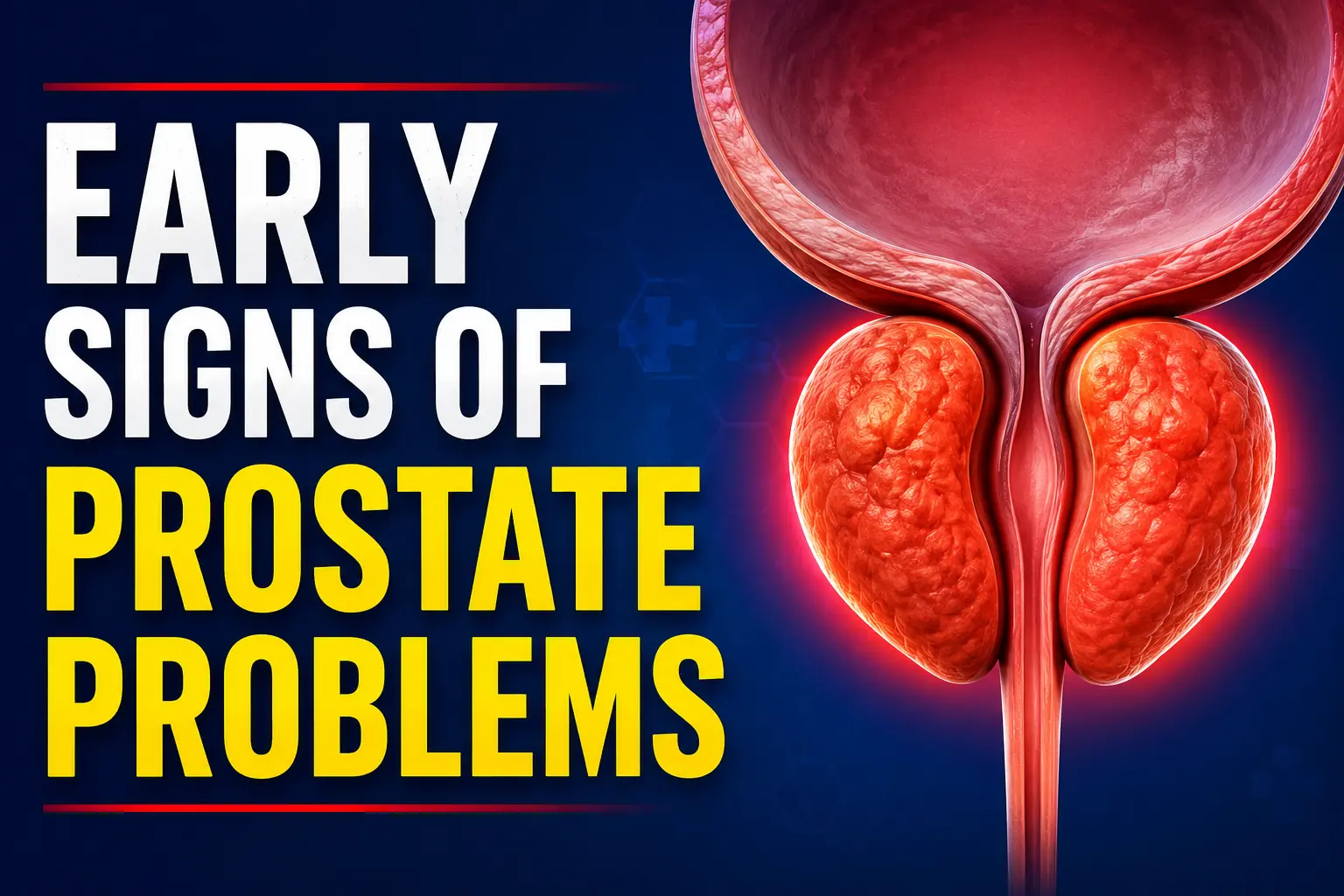
The prostate is a small gland about the size of a walnut. It sits just below the bladder and surrounds part of the urethra, the tube that carries urine out of the body.
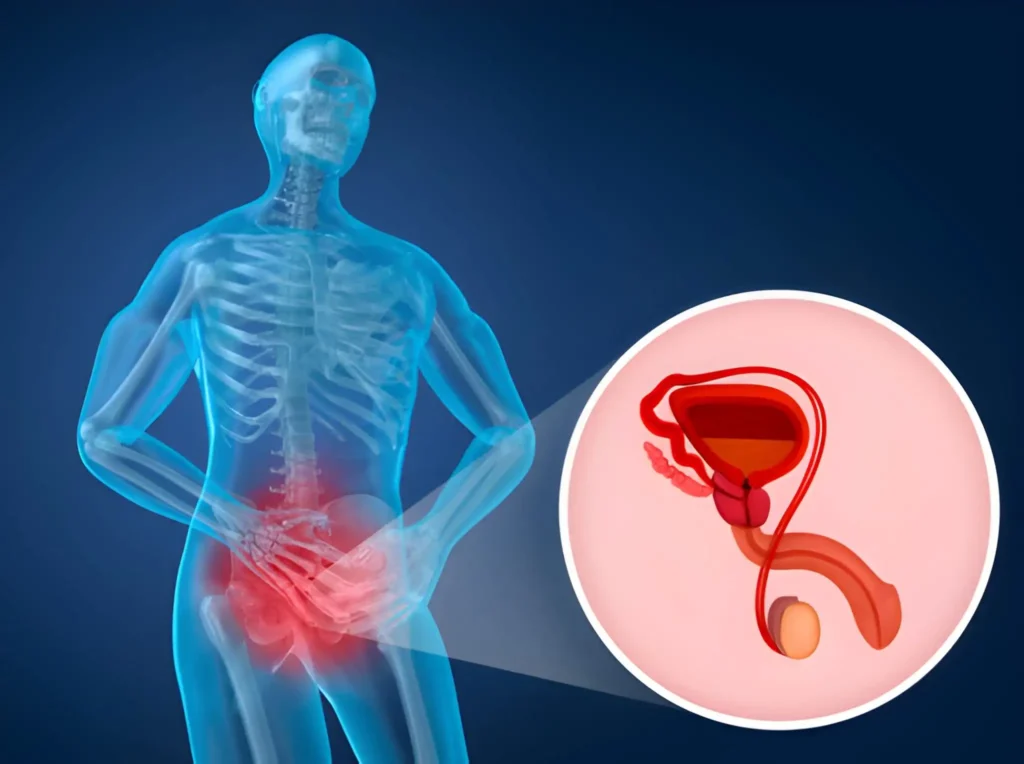
Its primary job is to produce fluid that helps nourish and transport sperm.
As men age, the prostate often grows larger. This condition is known as Benign Prostatic Hyperplasia (BPH) or enlarged prostate.
Because the prostate surrounds the urethra, enlargement can squeeze the urinary channel and lead to a variety of urinary symptoms.
Quick Facts About the Prostate
| Fact | Details |
|---|---|
| Size | Walnut-sized in younger men |
| Location | Below bladder |
| Main Function | Produces seminal fluid |
| Common Age for Problems | 40+ years |
| Major Conditions | BPH, Prostatitis, Prostate Cancer |
Early Warning Signs at a Glance
- • Frequent urination
- • Nighttime urination
- • Weak urine stream
- • Trouble starting
- • Urgency
- • Dribbling
- • Pelvic pain
- • Painful urination
- • Sexual changes
- • BLOOD IN URINE
10 Early Signs of Prostate Problems Most Men Ignore
1. Frequent Urination, Especially at Night
One of the most common prostate health symptoms is frequent urination.
Many men notice they need to urinate more often than before, especially during the night. This condition is called nocturia.
You may find yourself waking up once, twice, or even several times every night to use the bathroom.
While many people blame this on drinking too much water before bed, persistent nighttime urination can be one of the earliest signs of enlarged prostate.
Why It Happens
As the prostate enlarges, it puts pressure on the bladder and urethra. This makes the bladder feel full more quickly, even when it contains only a small amount of urine.
When to Pay Attention
If nighttime urination starts disrupting your sleep regularly, it’s worth discussing with your doctor.
2. Weak Urine Stream
Have you noticed your urine stream isn’t as powerful as it used to be?
Many men experience a gradual reduction in urine flow without realizing it.
A weak urine stream is one of the classic enlarged prostate symptoms.
Instead of a strong, steady flow, urination may feel slow, interrupted, or weak.
Common Signs
- Reduced force during urination
- Longer bathroom visits
- Difficulty emptying the bladder
- Stop-and-start flow
Because this symptom often develops gradually, many men adapt to it rather than recognizing it as a potential problem.
3. Trouble Starting Urination
Another common symptom is urinary hesitancy.
You stand at the toilet ready to urinate, but nothing happens immediately.
Several seconds may pass before urine begins to flow.
This delay can be frustrating and embarrassing, especially in public restrooms.
Why It Happens
An enlarged prostate can partially block the urethra, making it more difficult for urine to pass.
This is one of the most overlooked early symptoms of enlarged prostate.
4. Feeling Like Your Bladder Never Fully Empties
Many men with prostate enlargement leave the bathroom feeling unsatisfied.
Even after urinating, it feels like there’s still urine left inside the bladder.
This sensation of incomplete emptying can become increasingly bothersome over time.
Potential Consequences
When urine remains in the bladder, it can increase the risk of:
- Urinary tract infections
- Bladder stones
- Bladder irritation
- Increased urinary urgency
This symptom is particularly common among men experiencing prostate enlargement symptoms.
5. Sudden Urgent Need to Urinate
Have you ever felt a sudden, intense need to urinate that seemed impossible to postpone?
This symptom is called urinary urgency.
Men with prostate issues often describe feeling fine one moment and desperately searching for a restroom the next.
Signs of Urinary Urgency
- Sudden need to urinate
- Difficulty holding urine
- Fear of accidents
- Frequent restroom planning
This can significantly impact daily activities, travel, and social events.
6. Dribbling After Urination
Post-void dribbling is another symptom many men ignore.
Even after finishing urination, small amounts of urine continue leaking afterward.
This can cause embarrassment and inconvenience.
Why It Occurs
The bladder may not empty completely due to prostate-related obstruction.
Remaining urine can slowly leak after urination ends.
Although it may seem minor, persistent dribbling can be one of the early signs of enlarged prostate in men.
7. Pain or Burning During Urination
Urination should not be painful.
If you experience burning, stinging, or discomfort while urinating, it may indicate inflammation or infection involving the prostate.
This condition is often associated with prostatitis.
Additional Symptoms May Include
- Fever
- Chills
- Pelvic pain
- Lower back pain
- Frequent urination
Unlike BPH, prostatitis can occur in younger men as well.
Never ignore painful urination, especially if symptoms appear suddenly.
8. Pelvic or Lower Back Discomfort
Not all prostate problems involve urination.
Some men first notice discomfort in the:
- Lower back
- Hips
- Pelvic region
- Groin area
Persistent discomfort in these areas may indicate inflammation or another prostate-related condition.
Warning Sign
Pain that continues for weeks should always be evaluated by a healthcare professional.
9. Blood in Urine or Semen
Among all prostate warning signs, this is one that should never be ignored.
Blood may appear:
- In urine
- In semen
- During ejaculation
While blood doesn’t automatically mean cancer, it always requires medical evaluation.
Possible causes include:
- Prostatitis
- Enlarged prostate
- Urinary tract infection
- Kidney stones
- Prostate cancer
Seek medical attention promptly if you notice blood in urine or semen.
10. Changes in Sexual Function
The prostate plays an important role in male reproductive health.
As a result, prostate problems can sometimes affect sexual function.
Possible Changes Include
- Erectile difficulties
- Painful ejaculation
- Reduced sexual satisfaction
- Lower semen volume
Many men hesitate to discuss these symptoms, but they can provide important clues about underlying prostate health.
Symptom Severity Table
| Symptom | Common in BPH | Common in Prostatitis | Can Occur in Prostate Cancer |
|---|---|---|---|
| Frequent urination | Yes | Yes | Yes |
| Weak urine stream | Yes | Sometimes | Yes |
| Nighttime urination | Yes | Yes | Yes |
| Painful urination | Rare | Common | Sometimes |
| Blood in urine | Rare | Possible | Possible |
| Pelvic pain | Sometimes | Common | Possible |
| Sexual changes | Sometimes | Sometimes | Possible |
Common Causes of Prostate Problems
Understanding the cause behind your symptoms is just as important as recognizing them.
Three major conditions account for most prostate disease symptoms:
1. Benign Prostatic Hyperplasia (BPH)
BPH is a non-cancerous enlargement of the prostate.
It becomes increasingly common after age 50 and is the leading cause of urinary symptoms in older men.
2. Prostatitis
Prostatitis refers to inflammation of the prostate gland.
It can develop because of infection or other causes and may affect men of any age.
3. Prostate Cancer
Prostate cancer is one of the most common cancers among American men.
Early stages often produce few symptoms, which is why regular screenings can be important.
Who Is Most at Risk for Prostate Problems?
While prostate issues can affect any man, certain factors significantly increase the risk.
Understanding these risk factors can help you take preventive steps before symptoms become serious.
Age Is the Biggest Risk Factor
One of the strongest predictors of prostate problems is age.
Many men begin noticing prostate symptoms in men over 50, although some symptoms may start in their 40s.
Risk by Age Group
| Age Range | Risk Level |
|---|---|
| Under 40 | Low |
| 40–49 | Moderate |
| 50–59 | Increased |
| 60–69 | High |
| 70+ | Very High |
As men age, hormonal changes can contribute to prostate enlargement and urinary symptoms.
Family History
If your father, brother, or grandfather experienced prostate problems, your own risk may be higher.
Family history is especially important when it comes to prostate cancer.
Men with close relatives who had prostate cancer should discuss screening recommendations with their healthcare provider earlier than average.
Being Overweight
Research continues to show a connection between obesity and several prostate-related conditions.
Excess body weight may contribute to:
- Increased inflammation
- Hormonal imbalances
- More severe urinary symptoms
- Higher risk of aggressive prostate disease
Maintaining a healthy weight may help reduce symptom severity and improve overall prostate health.
Lack of Physical Activity
Men who spend most of the day sitting may experience more urinary problems than those who stay active.
Regular movement helps support:
- Healthy circulation
- Hormone balance
- Weight management
- Bladder function
Even a 30-minute walk most days of the week can make a difference.
Poor Dietary Habits
A diet high in processed foods, sugar, and unhealthy fats may negatively affect prostate health.
Certain foods may contribute to inflammation and worsen urinary symptoms.
This is one reason many men search for:
- foods that irritate the prostate
- foods to avoid with enlarged prostate
- bad foods for prostate enlargement
We’ll cover this in more detail below.
How Doctors Diagnose Prostate Problems
Many men avoid seeing a doctor because they worry about uncomfortable testing.
In reality, diagnosing prostate problems is often straightforward.
Common Tests Include
Medical History Review
Your doctor will ask about:
- Urinary symptoms
- Family history
- Sexual health
- Medication use
Physical Examination
A digital rectal exam (DRE) allows a doctor to assess the size and texture of the prostate.
Although many men worry about this exam, it typically takes less than a minute.
PSA Blood Test
The PSA (Prostate-Specific Antigen) test measures a protein produced by the prostate.
Elevated levels may indicate:
- Enlarged prostate
- Inflammation
- Prostate cancer
The PSA test is commonly used as part of prostate screening.
Urine Testing
Urine tests can help identify:
- Infection
- Blood in urine
- Inflammation
Imaging Tests
In some cases, doctors may recommend:
- Ultrasound
- MRI
- CT scan
These tests provide a more detailed look at the prostate and surrounding structures.
How to Support Prostate Health Naturally
The good news is that many lifestyle habits can support long-term prostate health.
While no lifestyle change can guarantee prevention, healthy habits may help reduce symptoms and improve quality of life.
Best Foods for Prostate Health
Certain foods contain nutrients that may support a healthy prostate.
Top Prostate-Friendly Foods
| Food | Key Benefit |
|---|---|
| Tomatoes | Rich in lycopene |
| Salmon | Omega-3 fatty acids |
| Broccoli | Antioxidants |
| Walnuts | Healthy fats |
| Pumpkin seeds | Zinc |
| Green tea | Polyphenols |
| Berries | Antioxidants |
| Avocados | Healthy fats |
Foods to Limit or Avoid
Many men experiencing enlarged prostate symptoms report improvement when they reduce certain foods.
Foods That May Irritate the Prostate
- Excess alcohol
- Sugary drinks
- Processed meats
- Fast food
- Excess caffeine
- Highly processed snacks
These are often included in searches such as:
- foods to avoid with enlarged prostate
- what foods cause enlarged prostate
- foods that cause enlarged prostate
- foods that irritate the prostate
Reducing these foods may help improve urinary comfort.
Exercise and Prostate Health
Physical activity may be one of the most overlooked tools for supporting prostate health.
Benefits of Regular Exercise
✓ Better bladder control
✓ Reduced inflammation
✓ Improved circulation
✓ Healthy hormone balance
✓ Weight management
Recommended Activities
- Walking
- Cycling
- Swimming
- Strength training
- Yoga
Aim for at least 150 minutes of moderate exercise each week.
Stay Hydrated—But Be Smart About Timing
Hydration supports overall health and bladder function.
However, men who struggle with nighttime urination may benefit from reducing fluid intake 2–3 hours before bedtime.
Helpful Tips
- Drink water consistently throughout the day.
- Avoid large amounts of fluids before bed.
- Limit alcohol in the evening.
- Reduce caffeine late in the day.
Lifestyle Habits That May Help
Quit Smoking
Smoking increases inflammation and may contribute to bladder irritation.
It is also linked to a variety of cancers, including aggressive forms of prostate cancer.
Manage Stress
Stress can worsen urinary symptoms.
Many men notice increased urgency and frequency during stressful periods.
Helpful stress-management techniques include:
- Meditation
- Deep breathing
- Walking outdoors
- Quality sleep
Prioritize Sleep
Poor sleep can worsen hormonal balance and increase inflammation.
Try to maintain:
- Consistent bedtime
- Dark sleeping environment
- Limited screen time before bed
Frequently Asked Questions
Can prostate problems go away on their own?
Some cases of prostatitis may improve with treatment.
However, enlarged prostate typically does not disappear without intervention.
Symptoms often gradually worsen over time.
At What Age Do Prostate Problems Usually Start?
Many men begin noticing mild symptoms during their 40s.
The likelihood increases significantly after age 50.
This is why routine monitoring becomes increasingly important with age.
Are Prostate Problems Always Cancer?
Absolutely not.
Most urinary symptoms are caused by benign conditions such as BPH.
However, because prostate cancer can sometimes produce similar symptoms, proper evaluation is important.
Can Exercise Improve Prostate Symptoms?
Many men report improvements in urinary symptoms after becoming more physically active.
Exercise may help by:
Supporting healthy weight
Improving circulation
Reducing inflammation
Does frequent urination always mean a prostate problem?
No.
Frequent urination can also be caused by:
Diabetes
Urinary tract infections
Excess fluid intake
Certain medications
However, in men over 40, prostate enlargement is a common cause.
What Is the Difference Between BPH and Prostate Cancer?
| Feature | BPH | Prostate Cancer |
|---|---|---|
| Cancerous | No | Yes |
| Common After 50 | Yes | Yes |
| Causes Urinary Symptoms | Often | Sometimes |
| Life-Threatening | No | Potentially |
| Requires Medical Monitoring | Yes | Yes |
Final Thoughts
Many men dismiss urinary changes as a normal part of aging, but that’s not always the case.
The truth is that early signs of prostate problems, such as frequent urination, weak urine flow, nighttime bathroom trips, urinary urgency, and pelvic discomfort, often appear long before more serious complications develop.
Paying attention to these warning signs can help you seek medical advice earlier, improve your quality of life, and potentially identify serious conditions before they progress.
If you’ve noticed any of the symptoms discussed in this article, don’t ignore them.
Your prostate may be trying to tell you something.
The sooner you listen, the better your chances of maintaining long-term urinary and prostate health.