

Waking up once during the night to use the bathroom is fairly common, especially as people get older. But if you’re getting out of bed two, three, or even four times every night, it’s natural to wonder whether something more serious is going on. One of the most common questions men ask is: “Is Frequent Night Urination a Sign of Prostate Problems?” The short answer is yes—it can be. However, nighttime urination, medically known as nocturia, is not always caused by the prostate. Several health conditions can lead to frequent nighttime bathroom trips, and understanding the difference is important for getting the right treatment.
For many men over the age of 40, an enlarged prostate becomes increasingly common. As the prostate grows, it can place pressure on the urethra and affect the normal flow of urine. This often leads to symptoms such as waking up frequently during the night to urinate, a weak urine stream, urgency, and difficulty emptying the bladder completely. According to the National Institute of Diabetes and Digestive and Kidney Diseases (NIDDK), benign prostatic hyperplasia (BPH), also known as an enlarged prostate, is one of the most common prostate conditions affecting older men. Nocturia is among its most frequently reported symptoms.
Understanding what causes frequent night urination and when it may signal a prostate problem can help you make informed decisions about your health. Let’s take a closer look.
Understanding Nighttime Urination (Nocturia)
What Counts as Frequent Night Urination?
Nocturia refers to waking up during the night one or more times to urinate. While an occasional trip to the bathroom is usually not a cause for concern, repeated awakenings can significantly affect sleep quality and overall health. Medical experts generally consider waking up two or more times every night to urinate as clinically significant, especially when it becomes a regular pattern.
Think of your sleep like a phone battery charging overnight. Every time you wake up and interrupt that charging process, your body misses out on important restorative functions. Over time, poor sleep can affect energy levels, mood, memory, and even heart health. Many men assume frequent nighttime urination is simply part of getting older, but that assumption can delay diagnosis of treatable conditions.
Research suggests that nocturia affects millions of Americans. One study found that about one-third of adults over age 30 wake up at least twice nightly to urinate. The condition becomes even more common with age.
How Common Is Nocturia in Men Over 40?
As men age, changes in hormone levels, bladder function, and prostate size can all contribute to nocturia. The prevalence increases significantly after age 50. Experts estimate that more than half of men over 60 experience some degree of nighttime urination.
Age alone does not explain everything, though. Lifestyle habits, medications, chronic health conditions, and sleep disorders can all play a role. This is why healthcare providers look at the entire picture rather than assuming the prostate is automatically responsible.
The Connection Between the Prostate and Urination
What Does the Prostate Actually Do?
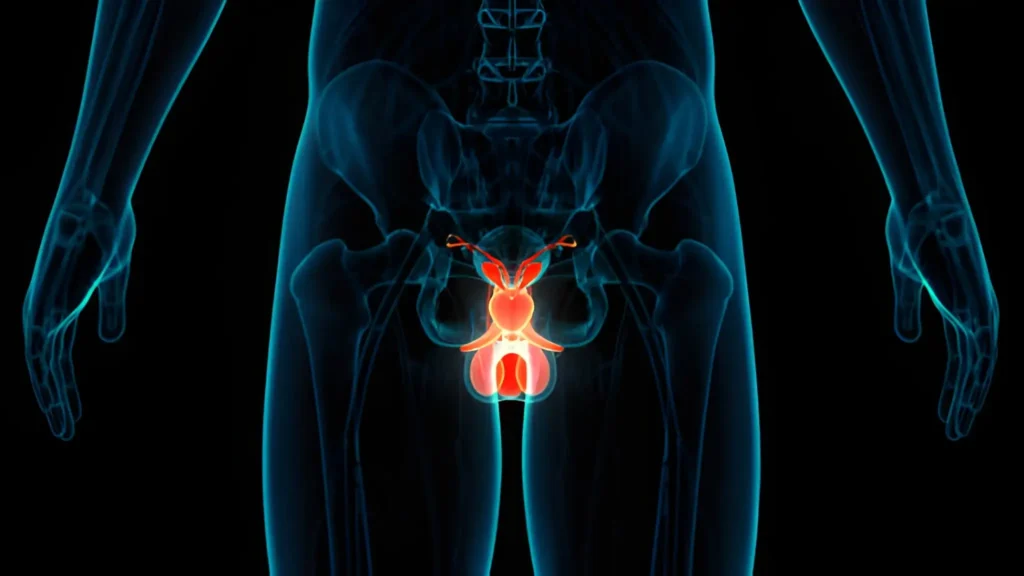
The prostate is a small gland located below the bladder and surrounding part of the urethra. Its primary role is to help produce seminal fluid, which nourishes and transports sperm. While the prostate is relatively small during early adulthood, it often continues growing throughout a man’s life.
Because the urethra passes directly through the prostate, any enlargement of the gland can affect urinary function. Imagine squeezing a garden hose. The tighter the squeeze, the harder it becomes for water to flow smoothly. A similar process can occur when an enlarged prostate narrows the urethra.
How an Enlarged Prostate Affects Urine Flow
An enlarged prostate, commonly called Benign Prostatic Hyperplasia (BPH), can obstruct urine flow. The bladder must work harder to push urine through the narrowed passage. Over time, this increased effort can weaken bladder function and create a variety of urinary symptoms.
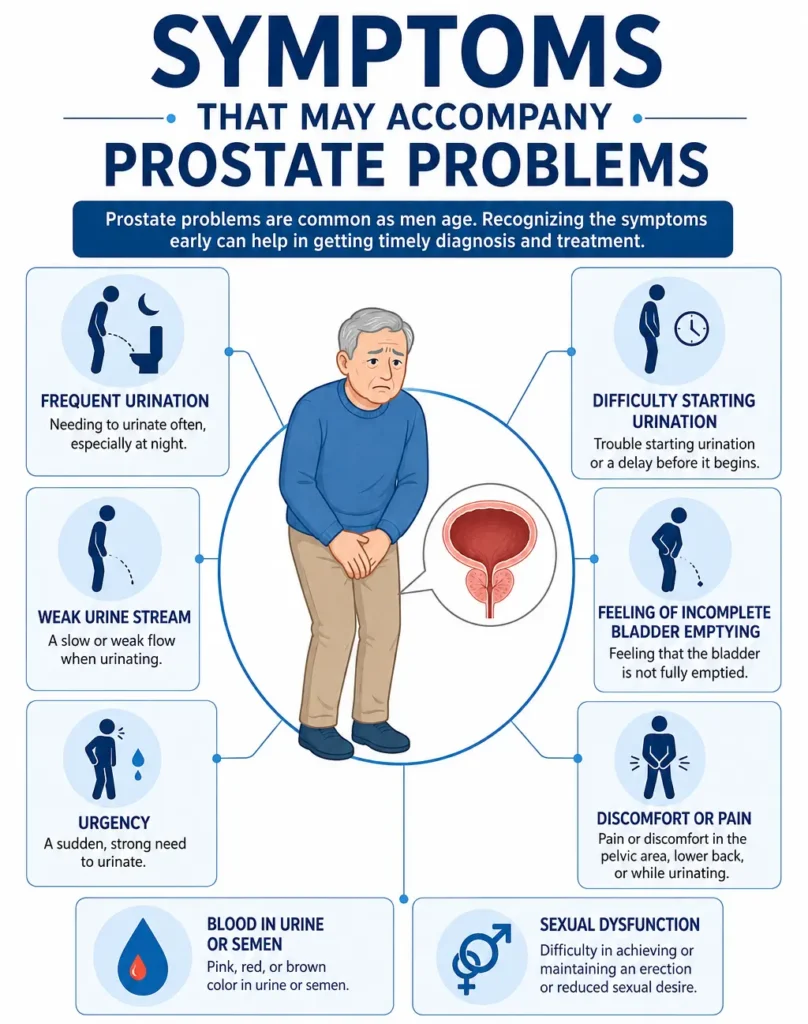
Common urinary symptoms linked to BPH include:
- Frequent urination
- Nighttime urination (nocturia)
- Urgency
- Weak urine stream
- Difficulty starting urination
- Dribbling after urination
- Feeling that the bladder isn’t completely empty
These symptoms can develop gradually, making them easy to overlook at first.
Is Frequent Night Urination a Sign of Prostate Problems?
When Nocturia Is Linked to BPH
In many cases, the answer to “Is Frequent Night Urination a Sign of Prostate Problems?” is yes. BPH is one of the most common causes of nocturia in older men. As the prostate enlarges, it can prevent the bladder from emptying fully. Even a small amount of leftover urine may trigger the urge to urinate again during the night.
Another factor involves bladder sensitivity. The bladder may become more reactive when constantly dealing with obstruction. As a result, even modest amounts of urine can create strong urges. This combination of incomplete emptying and increased sensitivity often leads to multiple nighttime bathroom visits.
The important thing to understand is that the severity of symptoms does not always match prostate size. Some men with significantly enlarged prostates experience only mild symptoms, while others with smaller enlargements may struggle with severe urinary issues.
Can Prostate Cancer Cause Night Urination?
Although BPH is far more common, prostate cancer can sometimes cause urinary symptoms, including nocturia. However, nighttime urination alone does not automatically indicate cancer. Most cases of nocturia are related to benign conditions rather than malignancy.
If prostate cancer affects the urinary tract, symptoms may include:
- Frequent urination
- Difficulty urinating
- Weak urine stream
- Blood in the urine
- Pelvic discomfort
Since these symptoms overlap with BPH, proper medical evaluation is essential. Screening tools such as PSA testing and digital rectal exams help doctors determine whether further investigation is needed.
Other Symptoms That May Accompany Prostate Problems
Weak Urine Stream
A weak stream is one of the hallmark signs of an enlarged prostate. Men often describe it as taking longer to empty the bladder or noticing reduced pressure during urination. This occurs because the enlarged gland narrows the urethra and restricts urine flow.
Urgency and Frequency
Frequent urges to urinate can occur both during the day and at night. Many men find themselves planning outings around bathroom availability because of the constant need to urinate. This symptom can become particularly disruptive to work, travel, and social activities.
Feeling Like the Bladder Never Empties
Incomplete bladder emptying is another common complaint. After urinating, some men feel as though urine remains trapped in the bladder. This residual urine can contribute to repeated bathroom visits and increase the risk of urinary tract complications.
Other Causes of Frequent Night Urination
Diabetes
High blood sugar levels can increase urine production, causing frequent urination both day and night. Excessive thirst often accompanies this symptom. If nocturia develops alongside unexplained weight loss, fatigue, or increased thirst, diabetes should be considered.
Overactive Bladder
An overactive bladder can create sudden urges to urinate, even when the bladder is not full. Unlike prostate-related issues, the problem here is often bladder muscle activity rather than obstruction.
Sleep Apnea
Many people are surprised to learn that sleep apnea can contribute to nocturia. Interrupted breathing patterns affect hormone regulation and may increase nighttime urine production. Treating sleep apnea often improves nighttime urination.
Medications and Lifestyle Habits
Certain habits and medications can also increase nighttime urination:
| Factor | Effect on Nocturia |
|---|---|
| Caffeine | Irritates bladder and increases urine production |
| Alcohol | Acts as a diuretic |
| Diuretics | Increase urine output |
| Excess evening fluids | Fill bladder before sleep |
| Certain cold medications | May worsen urinary symptoms |
Doctors often recommend reducing fluid intake a few hours before bedtime and limiting alcohol and caffeine consumption in the evening.
Risk Factors That Increase the Chances of Prostate Issues
Age and Hormonal Changes
Age remains the strongest risk factor for BPH. Prostate growth often continues throughout adulthood, making urinary symptoms increasingly common after age 50.
Family History
Genetics can influence prostate health. Men with close relatives who experienced BPH or other prostate issues may face a higher risk themselves.
Obesity and Physical Inactivity
Research suggests that obesity and sedentary lifestyles may increase the likelihood of developing prostate-related urinary symptoms. Regular physical activity appears to offer some protective benefits.
When Should You See a Doctor?
Warning Signs That Should Not Be Ignored
You should consider medical evaluation if:
- You wake up two or more times nightly on a regular basis
- Symptoms interfere with sleep or daily life
- You notice blood in the urine
- You experience pain while urinating
- You have difficulty starting urination
- You feel unable to empty your bladder completely
- You suddenly cannot urinate at all
These symptoms may indicate prostate enlargement, infection, bladder disorders, or other health conditions requiring attention.
How Doctors Diagnose the Cause of Nocturia
Common Tests and Evaluations
Diagnosing nocturia starts with a detailed medical history. Healthcare providers often ask about fluid intake, medications, sleep habits, and urinary symptoms. They may recommend:
- Physical examination
- Digital rectal exam (DRE)
- Urine testing
- Blood tests
- PSA testing
- Bladder function studies
- Ultrasound imaging
These evaluations help identify whether the symptoms are related to BPH, infection, diabetes, sleep disorders, or other conditions.
Treatment Options for Frequent Night Urination
Lifestyle Changes
For many men, simple lifestyle adjustments can significantly reduce symptoms:
- Limit fluids before bedtime
- Reduce caffeine and alcohol
- Maintain a healthy weight
- Stay physically active
- Empty the bladder completely before sleep
Medications
Doctors may prescribe medications such as:
| Medication Type | Purpose |
|---|---|
| Alpha-blockers | Relax prostate and bladder neck muscles |
| 5-alpha reductase inhibitors | Help shrink the prostate |
| Bladder medications | Reduce urgency and frequency |
These treatments can improve urine flow and decrease nighttime awakenings.
Medical Procedures
When symptoms are severe or medications are ineffective, minimally invasive procedures or surgery may be recommended. Treatment decisions depend on symptom severity, prostate size, overall health, and patient preferences.
Tips to Improve Sleep and Reduce Nighttime Bathroom Trips
Better sleep and fewer interruptions often go hand in hand. Consider these practical strategies:
- Stop drinking large amounts of fluids 2–3 hours before bed
- Avoid caffeine after lunch
- Limit alcohol in the evening
- Elevate your legs before bedtime if swelling is present
- Maintain a consistent sleep schedule
- Discuss medication timing with your doctor
- Address underlying conditions such as sleep apnea or diabetes
Small adjustments can sometimes produce surprisingly meaningful improvements.
Conclusion
Is Frequent Night Urination a Sign of Prostate Problems? In many men, especially those over 50, the answer is yes. An enlarged prostate is one of the leading causes of nocturia and can significantly affect sleep quality and daily comfort. At the same time, nighttime urination is not exclusive to prostate issues. Conditions such as diabetes, sleep apnea, overactive bladder, and certain medications can produce similar symptoms. If frequent nighttime bathroom trips have become part of your routine, speaking with a healthcare provider can help identify the cause and guide appropriate treatment.
FAQ
How many times is normal to urinate at night?
Most healthy adults may wake once occasionally. Consistently waking two or more times every night is generally considered significant nocturia.
Does every man with nocturia have an enlarged prostate?
No. While BPH is common, nocturia can also result from diabetes, sleep apnea, overactive bladder, medications, or excessive evening fluid intake.
Can reducing water intake at night help?
Yes. Limiting fluids two to three hours before bedtime often reduces nighttime urination frequency.
Is nocturia a sign of prostate cancer?
Not usually. BPH is a much more common cause. However, persistent urinary symptoms should still be evaluated by a healthcare professional.
Can exercise help improve prostate-related urinary symptoms?
Regular physical activity may help reduce the risk of BPH progression and improve overall urinary health. It also supports weight management and cardiovascular health.