
Men’s Urinary Health After Age 40 :
Let’s be honest—talking about what happens in the bathroom isn’t exactly barstool conversation. But if you’re a man over 40, you’ve probably noticed things aren’t working quite the way they used to. Maybe you’re getting up two or three times a night to pee. Maybe that stream that used to hit the porcelain with fire-hose pressure now dribbles out like a leaky faucet. It’s frustrating, it’s embarrassing, and it messes with your sleep, your confidence, and your quality of life.
The good news? You’re not alone, and you’re not broken. Urinary health declines after 40 for a specific set of biological reasons. The even better news is that natural ways to improve urinary health are not some hippie myth—they’re backed by science and real-world results.
You don’t have to jump straight to heavy medication or dread a surgical procedure. With the right diet, targeted exercises, and a few lifestyle tweaks, you can take back control of your bladder and prostate function naturally.
This complete guide breaks down exactly what’s happening inside your body, what early warning signs to watch for, and a battle-tested strategy to improve men’s urinary health after 40 without losing your mind—or your dignity.
What Happens to Men’s Urinary Health After Age 40?
To fix the plumbing, you’ve got to understand the pipes. The male urinary system is a delicate interplay between your bladder, your prostate gland, and the muscles of the pelvic floor. After 40, every single piece of that puzzle starts to change.
Prostate Enlargement (BPH) Explained
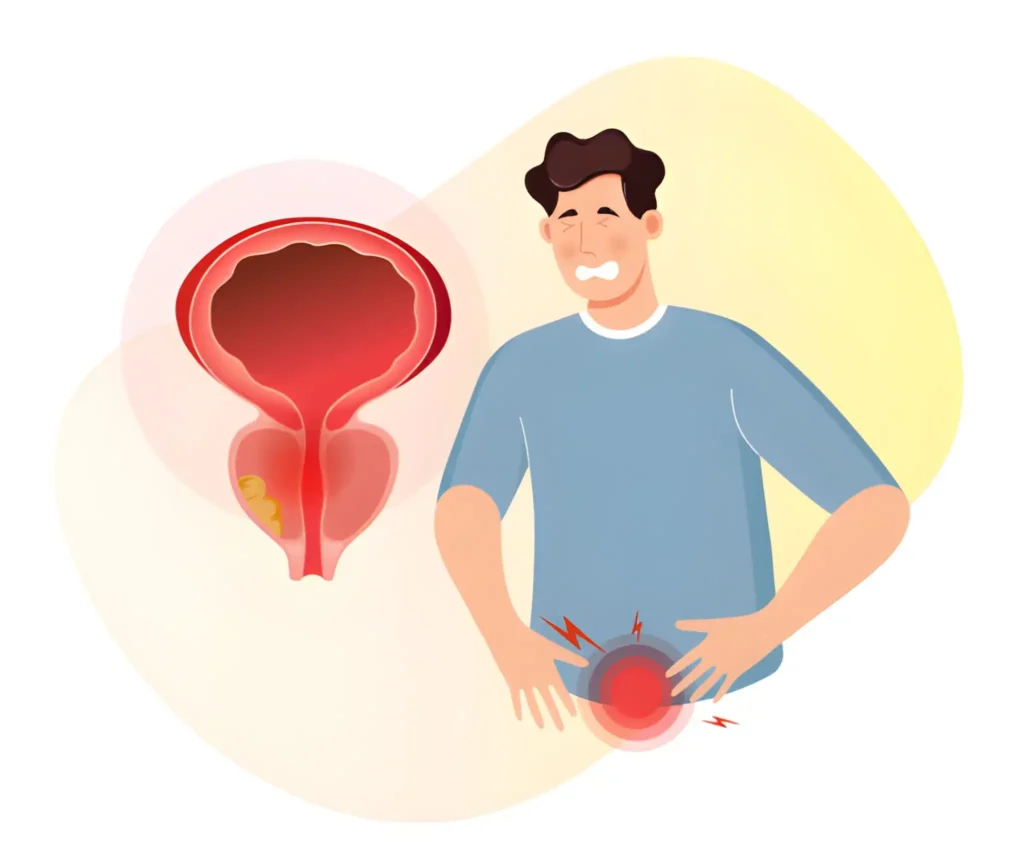
The star of the show—or the villain, depending on how you look at it—is your prostate. This walnut-sized gland sits right below your bladder and wraps around your urethra, the tube that carries urine out of your body. Its main job is to produce fluid that nourishes and transports sperm. But here’s the kicker: the prostate never stops growing.
As men age, hormonal shifts cause the prostate to slowly enlarge, a non-cancerous condition called benign prostatic hyperplasia (BPH). It’s so common that if you live long enough, you’re almost guaranteed to have it. By age 60, over 50% of men have BPH; by 85, that number hits 90%. The problem is purely mechanical. As the prostate swells, it squeezes the urethra like a foot stepping on a garden hose.
Your bladder has to work much harder to push urine past that narrow opening. The result? A weak urine stream, trouble getting started, and the nagging feeling that you never quite emptied the tank. Prostate health after 40 is often the single biggest factor determining whether you stand at the toilet in peace or frustration.
Weak Bladder Muscles
Your bladder isn’t a passive bag; it’s a muscular organ. The detrusor muscle in the bladder wall contracts to squeeze urine out. For years, that muscle might have been strong and efficient. But when the prostate blocks the exit, your bladder has to work overtime—pushing against a brick wall every single time you pee. Over months and years, that muscle thickens, becomes overactive, and eventually fatigues. A tired bladder muscle can’t contract forcefully enough to fully empty. This reduced bladder control with age leaves behind residual urine, which increases the risk of infections and makes you feel like you need to go again 20 minutes later.
Hormonal Changes in Men
We all know about testosterone’s role in muscle mass and libido, but its connection to urinary health is more complex. As testosterone levels naturally decline with age, the balance between testosterone and other hormones like estrogen and dihydrotestosterone (DHT) shifts. DHT, a potent derivative of testosterone, is a primary fuel for prostate growth. With a lower testosterone-to-estrogen ratio, DHT can accumulate in the prostate, driving that unwanted enlargement. This hormonal seesaw is a key reason why prostate issues spike after 40. It’s not just low T; it’s a whole hormonal environment that nudges the prostate into overgrowth mode.
Lifestyle Factors
Biology loads the gun, but lifestyle pulls the trigger. A desk-bound job and a diet heavy in processed foods and red meat create a perfect storm of inflammation. Chronic stress keeps your nervous system in fight-or-flight mode, making your bladder twitchy and overactive. Excess belly fat isn’t just a cosmetic issue; visceral fat pumps out inflammatory chemicals and increases abdominal pressure, pushing down on your bladder and pelvic floor. Combine that with inactivity, and the muscles that support your bladder grow weak. The decline in men’s urinary health after 40 is rarely one thing—it’s a multi-layered assault.
Early Signs of Poor Urinary Health in Men
Most guys ignore the early whispers until they become a scream. Don’t be that guy. Catching symptoms early makes natural treatment infinitely more effective. These signs are graded from mild annoyances to serious red flags.
Mild Symptoms
This is where it usually begins. You notice you’re visiting the urinal more often during the day. A frequent urination pattern develops, especially a sudden, compelling urge that feels like you’ve got about 30 seconds to find a bathroom. The stream itself loses its force; it’s hesitant to start and doesn’t arc with the same power. And then comes the nighttime interruption. Nocturia, or night-time urination, is one of the earliest and most quality-of-life-crushing symptoms. Waking up once might be normal hydration, but consistently waking up two or three times means your bladder isn’t holding much or isn’t emptying fully before bed.
Moderate Symptoms
As things progress, the annoyance turns to real inconvenience. You finish up, zip your pants, and then feel a little more urine leak out. Dribbling after urination is a classic sign that the urethra isn’t clearing completely because of that prostate obstruction. You might also have a persistent sensation of incomplete bladder emptying. You stand there, try to push out a few more drops, but the relief never fully comes. You’re structuring your days around knowing where every restroom is along your commute or on the golf course.
Severe Warning Signs
These are non-negotiable signals to call a doctor, not just Google. Blood in urine (hematuria) can indicate infection, bladder stones, or more serious conditions. A sudden, sharp pain or blockage where you simply cannot pass urine—despite a painfully full bladder—is an acute urinary retention emergency that requires immediate catheterization. Don’t try to tough these out. Natural methods are for functional decline, not for complete system failure or visible blood.
Best Natural Ways to Improve Men’s Urinary Health After Age 40
You’ve got the why. Now, here’s the how. This isn’t about a single magic trick; it’s a layered approach that tackles diet, muscle strength, and daily habits. These are the most effective natural ways to improve urinary health without a prescription pad.
Improve Diet for Prostate & Bladder Health
Your fork is the most powerful tool you own. An anti-inflammatory diet directly shrinks the systemic inflammation that fuels prostate growth and irritates the bladder lining.
Best foods: Pile your plate with cooked tomatoes (rich in lycopene, which concentrates in the prostate), fatty fish like wild salmon, and handfuls of pumpkin seeds. Cruciferous vegetables like broccoli and Brussels sprouts contain compounds that help regulate DHT. Berries provide antioxidants that protect delicate bladder tissues.
Foods to avoid: This is just as critical. Artificial sweeteners, spicy junk food, excess caffeine, and alcohol are bladder irritants. They make the detrusor muscle spasm, creating that gotta-go-now urgency even when your bladder isn’t full. Processed meats and fried foods drive up inflammation markers. Cutting these out is often the fastest route to calmer bladder days.
Stay Properly Hydrated
It sounds counterintuitive: if I’m peeing too much, shouldn’t I drink less? Wrong. Concentrated urine is highly acidic and extremely irritating to an inflamed prostate and bladder lining. Dehydration leads to stronger, more painful urges. The key is a smart water timing strategy. Don’t guzzle a massive bottle of water right before bed. Front-load your hydration in the morning and early afternoon. Taper off significantly 2–3 hours before you sleep. Sip slowly throughout the day rather than chugging. Aim for your urine to be a pale straw color—not dark yellow, not completely clear.
Pelvic Floor (Kegel) Exercises
Ask any physical therapist: the male pelvic floor is the unsung hero of bladder control. These muscles support the bladder and clamp the urethra shut. When they’re weak, leaks happen.
How to do them: First, find the right muscles. Next time you’re urinating, try to stop the flow midstream. Feel that clench? Those are your pelvic floor muscles. Don’t make a habit of doing Kegels while peeing (it can cause incomplete emptying), but use that trick once to identify them. Now, on an empty bladder, contract those muscles, hold for 5 seconds, and release for 5 seconds. Do not hold your breath, tighten your stomach, or squeeze your butt—isolate the pelvic floor. Repeat 10–15 times, three times a day. Consistency is non-negotiable. Think of it like taking your pelvic floor to the gym. Real bladder control improvement comes after 6–8 weeks of daily work.
Regular Physical Activity
You don’t need to become a CrossFit cultist. Moderate, consistent movement reduces inflammation, helps shed that dangerous belly fat, and improves nerve function to the bladder.
Walking: A brisk 30-minute walk daily is a powerful, low-impact starting point. It stimulates circulation without jarring the pelvic floor.
Yoga: Specific poses like the child’s pose, happy baby, and gentle supine twists relax chronically tight hip and pelvic muscles. A tight pelvic floor can be just as problematic as a weak one. Yoga bridges the mind-body connection to calm urinary urgency.
Cardio: Cycling is tricky—a hard, narrow bike seat can compress the perineum and irritate the prostate. If you cycle, use a wide, padded seat with a cutout to relieve pressure. Swimming and elliptical training are excellent alternatives.
Weight Management
The link between how belly fat affects urinary health is mechanically simple and chemically complex. A larger waistline increases intra-abdominal pressure, which presses down directly on the bladder and stretches a weak pelvic floor from above. That’s a recipe for stress incontinence—leaking when you cough, laugh, or lift something heavy. Chemically, visceral fat is an endocrine organ, secreting hormones and cytokines that promote inflammation and insulin resistance, both linked to prostate growth. Losing even 5–10% of your body weight can dramatically reduce symptom scores.
Foods That Support Urinary & Prostate Health
Let’s zoom in on the grocery list. Load your cart with these allies and steer clear of the saboteurs to build a rock-solid foundation for prostate health after 40.
Best Foods List
- Tomatoes: The lycopene in cooked tomatoes (think sauce, paste, sun-dried) is a prostate powerhouse. Heat processing makes it more bioavailable. Watermelon and pink grapefruit are honorable mentions.
- Pumpkin Seeds: A trifecta of zinc, magnesium, and phytosterols. Zinc is essential for prostate hormone metabolism, and the seeds’ oil has been shown to reduce BPH symptoms and overactive bladder episodes.
- Berries: Blueberries, raspberries, and strawberries are packed with antioxidants that combat oxidative stress in the urinary tract. They’re low on the glycemic index, so they won’t spike insulin.
- Leafy Greens: Spinach, kale, and Swiss chard are rich in nitrates and magnesium. Nitrates convert to nitric oxide, which relaxes blood vessels and may help relax the smooth muscle of the prostate and urethra, easing flow.
- Fish: Cold-water fatty fish like salmon, sardines, and mackerel deliver high-dose omega-3 fatty acids (EPA and DHA). These are potent anti-inflammatories that can help shrink an inflamed prostate and soothe a hypersensitive bladder wall.
Foods That Worsen Symptoms
- Caffeine: A diuretic and a direct bladder stimulant. It increases urine production and can trigger involuntary bladder contractions. Even your morning coffee counts.
- Alcohol: Similarly dehydrating and irritating. Alcohol reduces the brain’s antidiuretic hormone, flooding your bladder faster, and it relaxes the central nervous system in a way that can make nighttime incontinence worse.
- Processed Food: High-sodium frozen meals, chips, and deli meats cause fluid retention and then rebound diuresis. Chemical preservatives and artificial flavorings are common bladder irritants.
- Spicy Junk Food: Hot peppers, buffalo wings, and heavily spiced snacks contain capsaicin and other compounds that acidify urine, literally stinging an irritated prostate and urethra.
Lifestyle Changes for Better Bladder Control
Diet and exercise are huge, but your daily micro-habits can either lock in your gains or completely undermine them.
Sleep Improvement
If nocturia is your enemy, conquering your sleep hygiene is your weapon. Prop your legs up on a cushion for 30 minutes in the late afternoon. This helps reabsorb some of the fluid that pools in your legs during the day back into the bloodstream before you lie down, so your kidneys can process it before bed. Wear compression socks if you stand all day.
Eliminate all liquids 2–3 hours before sleep. Make the bathroom trip a calm, seated one (yes, sitting down to pee can physically relax the pelvic floor more fully than standing, allowing your bladder to empty completely using gravity). These small tweaks for night urination control can mean the difference between waking up rested or wrecked.
Stress Management
The connection between anxiety and urinary urgency is not in your head; it’s in your nerves. Chronic stress keeps the sympathetic nervous system (“fight or flight”) on high alert. This tells your bladder to be ready to empty at a moment’s notice, creating that false sense of urgency even with a small amount of urine. Box breathing (inhale 4 counts, hold 4, exhale 4, hold 4) can short-circuit a panic-induced bladder spasm. Take 10 minutes a day to do nothing but breathe deeply. The goal is to teach your nervous system that it’s safe, so your bladder can relax.
Avoid Holding Urine Too Long
Your construction site buddy might brag about “holding it” for hours, but it’s a terrible idea. Chronically ignoring the urge to urinate overstretches the detrusor muscle, eventually making it flaccid and unable to contract properly. It also increases the time that potentially irritating urine sits against your bladder lining and prostate, raising the risk of infection. When you gotta go, go. And when you do, take your time, breathe, and empty completely.
Natural Supplements That May Help (Optional Support)
Supplements are not a substitute for diet and exercise, but certain compounds have solid research behind them for natural ways to improve urinary health. Always check with your doctor before starting, especially if you’re on other meds.
Saw Palmetto
The most famous herbal remedy for BPH. It works by inhibiting the conversion of testosterone to DHT in the prostate and by reducing inflammation. Results vary, but many studies show improved flow rate and reduced nighttime urination comparable to some prescription drugs, with fewer side effects. Look for a standardized extract with 85–95% fatty acids and sterols.

Zinc
The prostate contains the highest concentration of zinc of any organ in the body. It plays a key role in modulating testosterone metabolism and DHT production. A deficiency can allow the prostate to grow unchecked. Supplementing with 25–50 mg of zinc picolinate daily (with food to avoid nausea) can help, but long-term high doses need to be balanced with copper.
Beta-Sitosterol
This plant sterol, found naturally in pumpkin seeds, saw palmetto, and nuts, improves BPH symptoms by reducing inflammation and possibly blocking cholesterol precursors in the prostate that drive growth. Typical effective doses range from 60–130 mg daily, split into two doses. It consistently scores better than placebo for improving urinary symptom scores.
Magnesium
Magnesium glycinate or citrate can be a game-changer, especially for nighttime symptoms. It’s a natural muscle relaxant, helping to calm a twitchy, overactive detrusor muscle and reduce that spasmodic urgency. Taking it before bed also promotes deeper sleep, which raises your bladder’s capacity during the night.
Advanced Techniques to Improve Urinary Function
When basic habits aren’t enough, step it up with these targeted retraining methods for true bladder control improvement.
Bladder Training Method
Your bladder has a “holding capacity” threshold, and an overactive bladder signals emptiness too early. Bladder training retrains the brain-bladder connection. Keep a voiding diary for two days. If you’re going every hour, your first goal is to delay by 15 minutes. When the urge hits, do five strong pelvic floor contractions (“quick flicks”) to suppress the urge, and practice slow breathing. Sit with the discomfort for 15 minutes before walking to the bathroom. Gradually increase that delay time week by week until you can comfortably hold for 3–4 hours during the day. This method is boring and slow, but clinically it’s highly effective.
Pelvic Muscle Strength Routine
Go beyond basic Kegels. This daily routine wakes up the whole pelvic floor:
- Quick Flicks: Rapidly contract and relax your pelvic floor 20 times as fast as you can. This trains fast-twitch fibers for sudden coughs and sneezes.
- Endurance Hold: Contract your pelvic floor gently (about 30% of max effort) and hold for 60 seconds. Focus on not letting any accessory muscles (abs, glutes) kick in. This builds the stamina to support your bladder all day.
- The Knack: Before any action that increases abdominal pressure—coughing, laughing, lifting a heavy toolbox—tighten your pelvic floor hard and hold it through the action. It’s a proactive brace against leaks.
Common Mistakes That Make Urinary Health Worse
You can eat all the pumpkin seeds in the world, but if you’re making these missteps, you’re sabotaging your own progress on prostate health after 40.
- Excess Caffeine: Downing a pot of coffee on a long drive, then wondering why you’re panic-stopping at every rest area. Caffeine is a bladder bully. If you can’t quit, switch to a low-acid, half-caff option and front-load it before noon.
- No Exercise: A sedentary life leads to a weak pelvic floor, weight gain, and pooled fluids. Sitting all day compresses the prostate and weakens the glutes, which are crucial structural supports for the pelvic floor. Stand up and walk every hour, no excuses.
- Ignoring Symptoms: “I’ll just live with it” leads to a thickened bladder wall that loses elasticity over years, making natural reversal much harder later. Early BPH is highly responsive to lifestyle change; late-stage, fibrous prostate tissue is not.
- Poor Diet: You can’t out-supplement a diet of gas-station hot dogs and beer. Chronic dehydration and inflammation from a Standard American Diet is pouring gasoline on a fire. Men’s urinary health after 40 demands a foundational shift toward whole, real food.
When to See a Doctor
Natural is powerful, but it has limits. You need a urologist, not a blog post, if you experience any of the following. This isn’t failure; it’s intelligence.
- Blood in Urine: Whether visible pink/red or detected only microscopically, it’s a red flag for infection, stones, or tumors that must be ruled out.
- Severe Pain: Burning, stabbing pain during urination or a constant deep ache in the lower back/pelvis isn’t normal BPH discomfort.
- Complete Blockage: If you suddenly cannot urinate at all and your bladder is distended and painful, that’s acute urinary retention. Get to an ER immediately. This is a plumbing emergency.
- Infection Signs: Foul-smelling urine, cloudy urine, fever, chills, and back pain alongside frequency suggest a UTI or prostatitis that requires antibiotics.
Long-Term Strategy for Healthy Urinary System
This is not a 30-day fix. It’s a permanent lifestyle upgrade. Adopting a prevention mindset is what separates the guy sprinting to the bathroom at 70 from the guy who’s forgotten the problem even existed.
Daily Habits Checklist:
- Morning pelvic floor routine (5 minutes).
- 30-minute walk or equivalent activity.
- Anti-inflammatory food choices (a tomato-rich salad, some wild salmon).
- Cut caffeine at noon, cut all liquids 2.5 hours before bed.
- Take a supported, thorough bathroom break; don’t rush.
- 5 minutes of deep breathing for stress management.
Lifestyle consistency means you don’t go off the rails every weekend. You can enjoy a beer or a spicy taco, but you do it knowing the consequences and you return to the protocol the next meal. Over months and years, this consistency adds up to a smooth-functioning, pain-free urinary tract. The goal of frequent urination treatment naturally is to make it so rare you forget you ever worried about it. You’re not just managing an aging prostate; you’re building a resilient body from the ground up.