

As men get older, taking care of prostate health becomes increasingly important. While many men rarely think about their prostate in their 20s and 30s, things often begin to change after age 40. Frequent urination, weak urine flow, waking up multiple times during the night to use the bathroom, and discomfort during urination are some of the common issues that can start appearing.
The prostate is a small gland located below the bladder and plays a vital role in male reproductive health. As men age, the prostate naturally tends to enlarge. While this process is common, it can sometimes lead to bothersome urinary symptoms and affect quality of life.
The good news is that many prostate problems can be managed—or even prevented—through healthy lifestyle habits. Learning how to improve prostate health naturally after age 40 can help you maintain urinary function, support hormonal balance, and reduce the risk of future complications.
In this comprehensive guide, you’ll discover science-backed strategies, the best foods, beneficial exercises, essential nutrients, and natural supplements that may support long-term prostate wellness.
Why Prostate Health Changes After Age 40
Understanding the Aging Prostate
The prostate gland typically grows throughout a man’s life. During younger years, this growth is usually unnoticeable. However, after age 40, hormonal changes can cause the prostate to enlarge more rapidly.
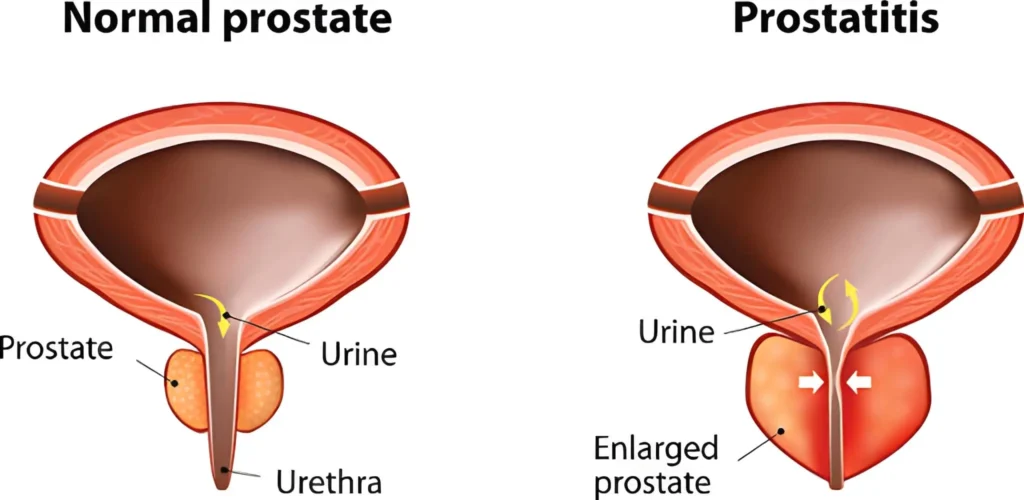
Changes in testosterone and dihydrotestosterone (DHT) levels are believed to contribute to prostate enlargement. As the gland grows, it may begin pressing against the urethra, making urination more difficult.
This is one of the main reasons why prostate health after 40 becomes a major concern for many men.
Common Prostate Conditions in Men Over 40
Benign Prostatic Hyperplasia (BPH)
BPH, commonly known as an enlarged prostate, is one of the most common prostate conditions among older men. Although not cancerous, it can significantly impact urinary function.
Common symptoms include:
- Frequent urination
- Urgent need to urinate
- Weak urine stream
- Difficulty starting urination
- Incomplete bladder emptying
Prostatitis
Prostatitis refers to inflammation of the prostate gland. It can occur due to infection or other causes and may affect men of all ages.
Symptoms may include:
- Pelvic pain
- Painful urination
- Pain during ejaculation
- Flu-like symptoms in some cases
Prostate Cancer
Prostate cancer is one of the most common cancers among men. Early stages often produce few symptoms, making regular screening important.
Early Warning Signs You Shouldn’t Ignore
Many men dismiss early symptoms as a normal part of aging. However, addressing them early may help prevent complications.
Watch for:
- Increased nighttime urination
- Difficulty emptying the bladder
- Dribbling after urination
- Weak urine flow
- Blood in urine
- Pelvic discomfort
These can be signs of prostate problems after 40 that deserve medical evaluation.
How to Improve Prostate Health Naturally After Age 40
Nutrition plays a major role in maintaining a healthy prostate.
Tomatoes and Lycopene
Tomatoes are rich in lycopene, a powerful antioxidant associated with prostate health.
Research suggests that lycopene may help protect prostate cells from oxidative damage.
Best sources include:
- Cooked tomatoes
- Tomato sauce
- Tomato paste
- Tomato soup
Fatty Fish Rich in Omega-3
Omega-3 fatty acids help support healthy inflammation levels throughout the body.
Excellent options include:
- Salmon
- Sardines
- Mackerel
- Trout
Including fatty fish two to three times weekly may support overall prostate wellness.
Cruciferous Vegetables
Cruciferous vegetables contain compounds that may support cellular health.
Examples include:
- Broccoli
- Cauliflower
- Cabbage
- Brussels sprouts
- Kale
These are among the most recommended prostate health foods.
Berries and Antioxidant-Rich Fruits
Berries are packed with antioxidants that help combat oxidative stress.
Best choices:
- Blueberries
- Strawberries
- Blackberries
- Raspberries
Other beneficial fruits include pomegranates and grapes.
Nuts and Seeds
Seeds and nuts provide healthy fats, minerals, and antioxidants.
Top options:
- Pumpkin seeds
- Walnuts
- Almonds
- Flaxseeds
Pumpkin seeds are especially popular in many natural prostate health tips because they contain zinc and plant compounds associated with prostate support.
Foods That May Harm Prostate Wellness
Just as some foods support prostate wellness, others may contribute to inflammation and urinary symptoms.
Processed Meat
Frequent consumption of processed meats may negatively affect overall health.
Examples include:
- Sausages
- Bacon
- Hot dogs
- Deli meats
Excess Dairy Products
Some research suggests excessive dairy intake may be associated with prostate concerns in certain individuals.
Moderation is generally recommended.
Sugary Drinks
High sugar consumption may contribute to obesity and inflammation.
Avoid excessive intake of:
- Soda
- Energy drinks
- Sweetened tea
- Sweetened coffee beverages
Highly Processed Foods
Fast food and packaged snacks often contain unhealthy fats and additives.
Limiting these foods may support better prostate and metabolic health.
Maintain a Healthy Weight
How Obesity Affects the Prostate
Excess body fat can increase inflammation and hormonal imbalances.
Studies suggest obesity may be associated with:
- Increased urinary symptoms
- Larger prostate size
- Higher risk of metabolic disorders
This is why maintaining a healthy weight is considered one of the most effective strategies for enlarged prostate prevention.
Healthy Weight Loss Strategies
Focus on:
- Portion control
- Whole foods
- Regular exercise
- Increased protein intake
- Reduced sugar consumption
Even a modest weight loss can improve urinary symptoms in some men.
Exercise for Better Prostate Support
Physical activity is one of the most powerful lifestyle changes for better prostate health.
Walking
Walking is simple, effective, and accessible.
Aim for:
- 30–45 minutes daily
- Moderate pace
- At least five days weekly
Regular walking may help reduce urinary symptoms and support healthy weight management.
Strength Training
Building muscle helps improve metabolism and hormonal balance.
Recommended exercises:
- Squats
- Lunges
- Push-ups
- Resistance band exercises
Perform strength training at least twice per week.
Pelvic Floor Exercises
Kegel exercises strengthen pelvic muscles involved in bladder control.
Benefits may include:
- Improved urinary control
- Reduced leakage
- Better pelvic support
Yoga and Stretching
Yoga may help reduce stress while improving flexibility and circulation.
Helpful poses include:
- Child’s Pose
- Bridge Pose
- Cat-Cow Stretch
- Cobra Pose
These are excellent exercises for prostate health in men over 40.
Improve Urinary Health Naturally
Many prostate symptoms are closely linked to urinary health.
Stay Hydrated
Adequate hydration supports bladder function.
Most men should aim for consistent water intake throughout the day.
Avoid drinking excessive amounts at once.
Limit Evening Fluid Intake
If nighttime urination is a problem, reduce fluid consumption two to three hours before bedtime.
This simple strategy may improve sleep quality.
Reduce Caffeine and Alcohol
Both caffeine and alcohol can irritate the bladder.
Limiting:
- Coffee
- Energy drinks
- Beer
- Wine
- Liquor
may help reduce urinary urgency.
Bladder Training Techniques
Bladder training involves gradually increasing the time between bathroom visits.
Benefits include:
- Improved bladder capacity
- Reduced urgency
- Better urinary control
These methods can help men looking for natural remedies for enlarged prostate symptoms and ways to reduce frequent urination naturally.
Reduce Stress and Improve Sleep
Many men focus on diet and exercise but overlook two important factors that can significantly impact prostate health: stress management and sleep quality.
The Connection Between Stress and Prostate Symptoms
Chronic stress can affect hormone levels, increase inflammation, and worsen urinary symptoms associated with prostate enlargement.
When stress levels remain elevated for long periods, the body produces more cortisol, a hormone that may contribute to inflammation and poor overall health.
Common effects of chronic stress include:
- Increased urinary urgency
- Poor sleep quality
- Fatigue
- Reduced immune function
- Hormonal imbalance
Stress Management Strategies
To support prostate wellness naturally:
- Practice deep breathing exercises
- Try meditation for 10–15 minutes daily
- Spend time outdoors
- Reduce excessive screen time
- Engage in hobbies you enjoy
- Maintain healthy social connections
Even small daily stress-reduction habits can contribute to better overall health and improved urinary comfort.
Sleep Habits That Support Hormonal Health
Sleep is essential for hormone regulation, tissue repair, and immune function.
Poor sleep has been linked to increased inflammation and reduced testosterone production.
For better sleep:
- Aim for 7–8 hours nightly
- Go to bed at the same time each day
- Limit caffeine late in the day
- Keep your bedroom cool and dark
- Avoid heavy meals before bedtime
Improving sleep quality is one of the most overlooked natural prostate health tips for men over 40.
Important Nutrients for Prostate Condition
Certain vitamins and minerals play a critical role in maintaining a healthy prostate.
Zinc
The prostate naturally contains high concentrations of zinc.
Zinc supports:
- Immune function
- Cellular health
- Hormonal balance
Food sources include:
- Pumpkin seeds
- Oysters
- Beef
- Chickpeas
- Cashews
Selenium
Selenium acts as a powerful antioxidant that helps protect cells from oxidative stress.
Good sources include:
- Brazil nuts
- Tuna
- Eggs
- Turkey
- Brown rice
Vitamin D
Many adults are deficient in vitamin D, particularly those who spend little time outdoors.
Vitamin D may support:
- Immune function
- Healthy cell growth
- Overall prostate wellness
Sources include:
- Sunlight exposure
- Fatty fish
- Egg yolks
- Fortified foods
Omega-3 Fatty Acids
Omega-3s help maintain healthy inflammation levels.
Benefits may include:
- Cardiovascular support
- Reduced inflammation
- Better overall wellness
Excellent sources include:
- Salmon
- Sardines
- Mackerel
- Chia seeds
- Flaxseeds
These nutrients are often included in discussions about the best vitamins for prostate health.
Natural Supplements That May Support Prostate Strength
While diet and lifestyle should always come first, some natural supplements may help support prostate health.
Always consult your healthcare provider before starting any supplement.
Saw Palmetto
Saw Palmetto is one of the most widely used herbal ingredients for prostate support.
Potential benefits include:
- Supporting urinary flow
- Reducing nighttime urination
- Promoting healthy prostate function
It is commonly found in many prostate wellness formulas.
Beta-Sitosterol
Beta-Sitosterol is a plant sterol naturally present in fruits, vegetables, nuts, and seeds.
Research suggests it may help:
- Improve urinary flow
- Reduce urinary discomfort
- Support bladder emptying
Pumpkin Seed Extract
Pumpkin seed extract is rich in:
- Zinc
- Antioxidants
- Healthy fatty acids
It may support:
- Bladder health
- Urinary function
- Healthy aging
Pygeum Bark Extract
Pygeum is derived from the bark of an African cherry tree.
Potential benefits include:
- Improved urinary comfort
- Reduced nighttime urination
- Better bladder function
Stinging Nettle Root
Stinging nettle root has been used traditionally to support urinary health.
It is often combined with Saw Palmetto in prostate support supplements.
Potential benefits include:
- Supporting healthy urination
- Promoting prostate comfort
- Assisting bladder function
Popular Prostate Support Supplements
If you’re researching natural prostate support products, you may also want to learn more about supplements that combine ingredients such as Saw Palmetto, Beta-Sitosterol, and Pumpkin Seed Extract.
For example, readers often compare products like ProstaPeak and ProstaVive when looking for comprehensive prostate support solutions. Reviewing ingredient quality, customer feedback, and clinical evidence can help you make an informed decision.
Recommended Prostate Screening After 40
Many experts recommend discussing prostate screening with your doctor beginning around age 40–50, depending on your risk factors.
Men with a family history of prostate cancer may benefit from earlier screening.
Common screening methods include:
- PSA blood test
- Digital rectal examination (DRE)
- Additional imaging when necessary
Early detection remains one of the most effective tools for maintaining long-term prostate health.
10 Daily Habits for a Healthy Prostate
Creating healthy routines can have a significant impact on prostate wellness.
1. Walk for 30 Minutes Daily
Walking improves circulation, supports weight management, and promotes overall health.
2. Eat More Vegetables
Aim to include vegetables with every meal.
3. Stay Hydrated
Drink adequate water throughout the day.
4. Maintain a Healthy Weight
Reducing excess body fat may improve urinary symptoms.
5. Limit Alcohol
Excessive alcohol can irritate the bladder and worsen urinary issues.
6. Avoid Smoking
Smoking negatively affects circulation and overall health.
7. Exercise Regularly
Combine cardio and strength training for optimal results.
8. Sleep 7–8 Hours Per Night
Quality sleep supports hormone balance and recovery.
9. Manage Stress
Daily relaxation techniques can support both mental and physical health.
10. Schedule Regular Checkups
Preventive healthcare helps identify potential issues early.
These simple practices form the foundation of long-term healthy prostate habits.
FAQ About Improve Prostate Health Naturally After Age 40
Can prostate health improve naturally?
What is the best food for prostate health?
At what age should men start caring about prostate health?
Can exercise reduce enlarged prostate symptoms?
What vitamins are good for prostate health?
Conclusion
Maintaining a healthy prostate after age 40 does not require complicated treatments or extreme lifestyle changes. Small, consistent habits can make a significant difference over time.
A prostate-friendly diet, regular exercise, healthy weight management, quality sleep, stress reduction, and proper hydration all contribute to long-term prostate wellness.
If you’re wondering how to improve prostate health naturally after age 40, the answer starts with prevention. Taking action today may help reduce future urinary problems and support better overall health as you age.
Remember, natural supplements such as Saw Palmetto, Beta-Sitosterol, Pumpkin Seed Extract, Pygeum Bark, and Stinging Nettle Root may provide additional support when combined with a healthy lifestyle.
The earlier you start caring for your prostate, the better your chances of maintaining strong urinary health, comfort, and quality of life for years to come.
Ready to Support Your Prostate Naturally?
Explore evidence-based prostate support options and lifestyle strategies that may help maintain healthy urinary function, improve comfort, and support overall men’s wellness after age 40.